
The Lion and the Jewel is a funny and clever play written by Wole Soyinka in 1959 and published in 1963. It is set in a small Yoruba village called Ilujinle in Nigeria. The story is about a love triangle:
- Sidi – the beautiful young village girl (the “Jewel”)
- Lakunle – the young school teacher who loves Western ideas
- Baroka – the old, wise, and powerful village chief (the “Lion”)
Both men want to marry Sidi, but they represent completely different things: Lakunle wants modern life, while Baroka stands for tradition. In the end, clever Baroka wins Sidi through trickery.
About the Author (Wole Soyinka)

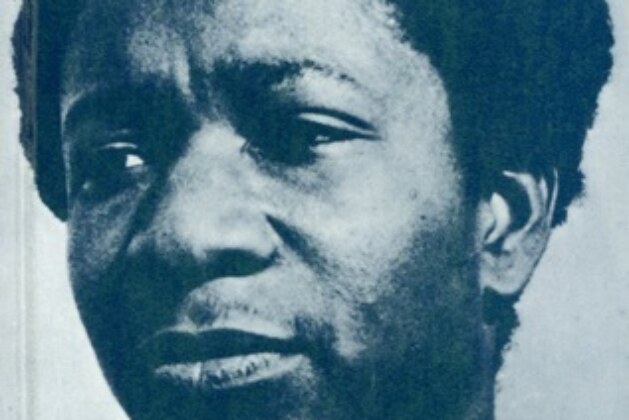
Wole Soyinka
Wole Soyinka (born 1934) is a famous Nigerian writer and the first African to win the Nobel Prize for Literature (1986). He grew up in a Yoruba family that mixed Christian and traditional beliefs. He studied in Nigeria and England, so he understands both African traditions and Western culture. His plays often talk about the fight between old African ways and new Western ideas, corruption, and freedom. The Lion and the Jewel shows his own life experience of living between two worlds.
Background of the Play
The play was written just before Nigeria became independent from Britain in 1960. At that time, many Nigerians were confused:
- Should they keep their old traditions?
- Or copy everything from Europe and become “modern”?
The village Ilujinle is like a small picture of the whole country. Baroka represents strong, clever tradition. Lakunle represents half-understood modern ideas. Sidi has to choose between them, just like Nigeria had to choose its future.
Plot Summary
Morning Lakunle loves Sidi but refuses to pay the bride price (traditional money given to the bride’s family) because he says it is old-fashioned. Sidi gets angry and says she will never marry without it.
Village girls bring a magazine with beautiful photos of Sidi taken by a white traveller. Sidi becomes very proud – she now feels more important than the chief Baroka!
The villagers act out a funny dance and mime (silent acting) about the traveller’s visit. Lakunle is forced to play the traveller and makes a fool of himself.
Baroka secretly looks at Sidi’s photos and decides he wants her as his new wife.
Noon Baroka sends his senior wife Sadiku to propose to Sidi. Sidi laughs and refuses – she says Baroka is too old.
Lakunle tells everyone that Baroka once bribed a worker to stop a railway coming to the village because Baroka hates progress.
Sadiku returns to Baroka. Baroka pretends he has become impotent (can no longer sleep with women). He tells Sadiku to keep it secret, but he knows she will tell everyone.
Night Sadiku happily tells Sidi the “secret”. Both women laugh and think Baroka is finished. Sidi decides to visit Baroka’s palace to mock him.
In the palace, Baroka flatters Sidi, praises her beauty, and promises to put her picture on every postage stamp in the village. Sidi feels special and lets her guard down. Baroka tricks her and takes her virginity.
Later that evening, the village dances and mocks Baroka, thinking he is impotent. Sidi comes back crying – she has lost her virginity. Lakunle says he will still marry her (now he doesn’t have to pay bride price!). But Sidi refuses Lakunle and chooses to marry Baroka instead.
At the end, Sidi happily dances to her wedding with Baroka. Lakunle is left alone but quickly starts flirting with another girl.
Setting
- Place: Small Yoruba village called Ilujinle
- Important places: village square with a big tree, school (symbol of new ideas), Baroka’s palace (symbol of power and tradition)
- Time: One day – Morning (youth, hope), Noon (pride), Night (deception and truth)
Main Characters
Lakunle
- Young school teacher, about 23
- Wears old English suit, talks big words
- Loves modern ideas but doesn’t really understand them
- Refuses to pay bride price, calls it barbaric
- Funny, proud, and a bit foolish – he loses Sidi because he is not clever enough
Sidi
- The most beautiful girl in the village
- Proud and vain, especially after seeing her photos
- Wants to keep tradition (bride price) but is easily tricked by flattery
- In the end chooses Baroka and becomes his new wife
Baroka
- Village chief (Bale), about 62 years old
- Strong, wise, rich, and very clever (like a fox)
- Loves tradition but is not against all progress
- Uses tricks to get what he wants
- Wins Sidi through cleverness, not force
Sadiku
- Baroka’s senior wife, about 70 years old
- Helps Baroka find new wives
- Loves gossip and tradition
- Happy when she thinks Baroka is impotent, but gets fooled
Main Themes
- Tradition vs Modernity Old ways (Baroka) win over half-baked modern ideas (Lakunle). Soyinka says Africa should not copy the West blindly – progress should respect culture.
- Men and Women Men have more power. Women are often treated like beautiful objects to be won. Even strong women like Sidi and Sadiku get tricked.
- Pride and Vanity Sidi becomes too proud because of her photos and falls into Baroka’s trap. Beauty and fame can make people blind.
- Trickery and Clever Use of Words Baroka wins by lying and being clever with words. Lakunle uses big English words but sounds stupid.
Style and Techniques
- Lots of dancing, drumming, and singing – real Yoruba style
- Mimes (silent acting) to tell past stories (the traveller, the railway bribe)
- Beautiful, poetic language when Baroka and Sidi talk (like a battle of proverbs)
- Funny irony: the “modern” young man loses; the “old” chief wins
- Symbols:
- Magazine and photos = power of images and vanity
- Postage stamp = smart, gentle way to modernise
- Baroka’s statue = men’s power comes from virility
Final Message of the Play
Tradition is not always bad, and modernity is not always good. Real wisdom and cleverness matter more than books or new clothes. Nigeria (and Africa) should find its own path – not just copy Europe or stay stuck in the past. Baroka’s victory shows that clever tradition can beat foolish modernity.

Leave a comment